
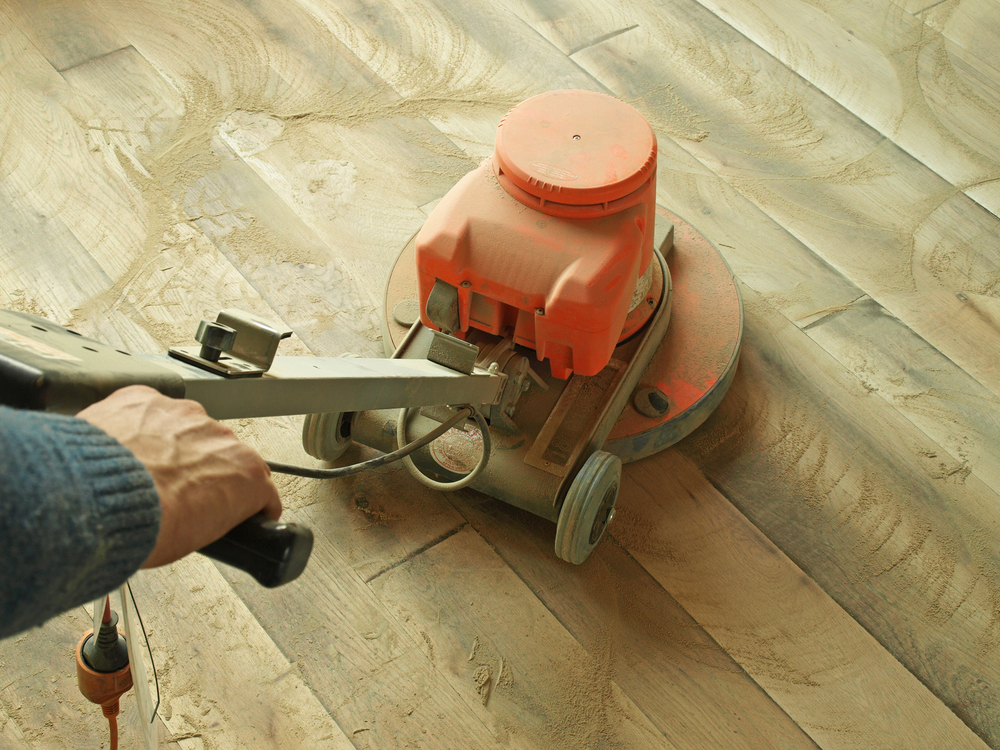
If you’ve been Googling whether your engineered hardwood floors can even be refinished, you’re not alone—and you’ve probably gotten conflicting answers. A neighbor says no. A big-box store employee agrees. But then you see photos online and start to wonder. The truth is more nuanced than a flat yes or no, and it matters a lot before you spend any time thinking about stain colors.
Here’s what we’ve seen after 50 years of working on Long Island floors: most homeowners are asking two questions at once without realizing it. Can my floor be refinished? And if so, what color should I choose? This post answers both—honestly, and in plain language.
Can You Actually Refinish Engineered Hardwood Floors?
The short answer is: it depends on your floor, not just the fact that it’s engineered. Engineered hardwood has a real wood top layer—called the wear layer or veneer—bonded over a plywood core. That top layer is the only part that gets sanded. So the question isn’t whether your floor is engineered. It’s how thick that top layer actually is.
Wear layers on engineered floors range from about 0.5mm to 6mm. A floor with a 2mm veneer might handle one refinish before the wood is too thin to sand again. A floor with a 4–6mm veneer can typically be refinished three to six times over its lifetime—comparable in many cases to solid hardwood. If you’re not sure what you have, that’s exactly the kind of thing we assess before any sanding begins.
How to Tell If Your Engineered Floor Has Enough Wear Layer Left
This is the question that separates a good refinishing job from a costly mistake. Sanding through the wear layer means hitting the plywood core underneath—and at that point, the floor is done. It can’t be saved with another coat of stain. It needs to be replaced.
A general rule of thumb in the industry: if your floor has at least 3mm of wear layer remaining, refinishing is typically a safe option. Floors with 1/8″ of veneer when new can usually be refinished twice. Floors with 3/16″ can often handle three or four refinishes over their lifetime. But those numbers assume careful sanding each time—not aggressive passes that remove more wood than necessary.
This is one of the reasons experience genuinely matters here. An inexperienced contractor who sands too deep on an engineered floor doesn’t just do a bad job—they can permanently destroy the floor. We’ve seen it happen, and it’s not a small fix. When we evaluate a floor before refinishing, we’re checking for exactly this: how much wear layer is left, whether there are any soft spots or damaged areas that could complicate the process, and whether refinishing is actually the right call or whether replacement makes more sense for your specific situation.
For Nassau County, NY homeowners with older engineered floors—especially those installed in the 1990s or early 2000s—this assessment is especially important. Many of those floors were installed with thinner veneers than what’s common today, and if they’ve been refinished once already, the margin for another pass can be slim. We’d rather tell you that upfront than take your money and leave you with a floor that’s worse than when we started.
One more thing worth knowing: refinishing is different from recoating. Recoating adds a fresh layer of finish over the existing surface without sanding down into the wood. It’s faster, less disruptive, and appropriate when the finish is worn but the wood itself is still in decent shape. Refinishing—actual sanding and restaining—is the right move when the wood has scratches, color you want to change, or damage that a surface coat won’t fix. Knowing which one you actually need can save you time and money.
Refinishing Hardwood Floors Stain Colors: Why the Color Step Is More Complicated Than It Looks
Once you’ve confirmed your floor can be refinished, the next question hits: what color do you want? This is where a lot of homeowners make a decision they end up regretting—not because they picked a bad color, but because the color they picked looked completely different on their actual floor than it did in the photo they were matching.
Stain color is not a fixed thing. It’s a reaction between the stain and the wood. The same stain applied to red oak and white oak will produce noticeably different results. The same stain in a north-facing room versus a south-facing room will look different under natural light. A color chip in a showroom tells you almost nothing about what that color will look like on your specific floor, in your specific home, under your specific lighting.
This is why we apply sample stains directly to the actual floor before committing to a color. It’s not an extra step—it’s the only way to make a confident decision. Skipping it is how you end up with a grey floor that looks purple, or a “natural” finish that reads orange in your living room.
The stakes feel higher with engineered hardwood because you may only get one or two more refinishing opportunities over the life of the floor. Choosing a color you’re unhappy with doesn’t just affect how your home looks for the next few years—it uses up one of your limited refinishing cycles. That’s worth slowing down for.
Grey Hardwood Floor Stain Colors: What Works in Nassau County Homes
Grey floors have been trending for the better part of a decade, and they’re still going strong in 2025—but the style has evolved. The cooler, almost blue-grey tones that dominated around 2018 have given way to warmer greys, greiges, and softer neutrals that hold up better across different design styles and lighting conditions. Classic Gray and Weathered Oak are currently the two most-requested grey options, and both read as more timeless than the stark greys that came before them.
If grey is the direction you’re leaning, there’s a critical piece of information you need before you pick a color: the species of your floor changes everything.
Red Oak Hardwood Stain Colors: Why Grey Doesn’t Always Look Grey
Here’s something that surprises a lot of Nassau County, NY homeowners: red oak—the species in the vast majority of mid-century homes across the county, including the Levittown-era houses built from the late 1940s through the 1960s—has natural pink and orange undertones baked into the wood. Those undertones don’t disappear when you stain over them. They fight the stain.
Apply a cool grey stain to red oak and you might get something that looks muddy, or slightly purple, or just off. It’s not a bad product or a bad contractor. It’s the wood. That photo of grey floors you found on Pinterest was almost certainly taken on white oak, which accepts grey stains cleanly because it has neutral undertones to begin with.
This doesn’t mean you can’t get a grey or near-grey result on red oak—it means you need the right approach. Professionals who know what they’re doing will use a white-pigmented sealer before applying the grey stain to neutralize the pink undertones first. Products like Bona Nordic Seal or Country White stains are commonly used for this purpose, and when applied correctly, they can produce a pale, creamy, or soft greige result that reads as close to grey without the muddy undertone problem.
Warmer stain colors tend to work more naturally with red oak’s character. Provincial, Jacobean, and medium-brown tones complement the wood rather than fighting it. If you’re open to something in that range, you’ll likely get a cleaner, more predictable result. But if grey is non-negotiable, it’s very doable—it just takes someone who understands the chemistry, not just someone who can run a sander.
For Nassau County, NY homeowners with original floors in older homes, this is worth a real conversation before any work begins. We’ve been refinishing red oak floors across Long Island for decades, and the species-stain interaction is one of the most common sources of disappointment when it’s not addressed upfront.
Most Popular Stain Colors for White Oak Floors in 2025
White oak is a different story entirely. It has neutral undertones, an open grain pattern, and accepts virtually any stain color cleanly—which is a big part of why it’s become the go-to species for contemporary renovations and new construction across Nassau County’s higher-end communities.
If your home has white oak floors, your color options are genuinely wide open. Grey stains read true and clean. Natural finishes—clear polyurethane with no stain added—are gaining significant ground right now because they let the wood’s actual grain and character show through rather than masking it under color. This works beautifully on white oak, which has enough visual interest in its natural state to hold attention on its own. Dark stains like Ebony and Graphite are also popular on white oak in modern and industrial-style interiors, creating a dramatic contrast that reads sophisticated rather than heavy.
The 2025 trend moving through Nassau County and the broader Long Island market is a clear shift away from the very dark, uniform stains that defined the 2010s and toward lighter, more natural tones that feel organic and open. Whitewash and bleached finishes have made a comeback. Greige—a warm blend of grey and beige—is particularly popular in coastal communities where the palette connects naturally to the surrounding environment.
One thing to keep in mind regardless of species: sheen level is a separate decision from color, and it matters just as much for the final look. Matte and satin finishes are currently far more popular than high-gloss, partly because they’re more forgiving of everyday wear and scratches, and partly because they photograph better in a real estate context—which matters to a lot of Nassau County, NY homeowners who are refinishing before a sale. A high-gloss finish on a floor with any imperfections tends to highlight them rather than hide them.
Ready to Refinish Your Nassau County Hardwood Floors the Right Way?
Refinishing engineered hardwood floors isn’t complicated when you go in with the right information. Know your wear layer. Understand your wood species. Test your stain color on the actual floor before you commit. And work with someone who will tell you the truth about what your floor can and can’t do—rather than just telling you what you want to hear.
Nassau County, NY’s housing stock is unique. The combination of mid-century red oak floors, coastal humidity that accelerates finish wear, and a competitive real estate market where floor condition genuinely affects sale prices means the decisions you make here carry real weight. Color choice isn’t just aesthetic—it’s practical, and in some cases, financial.
If you’re not sure where to start, that’s what free estimates are for. We at KO Floors, Inc. have been working on Long Island floors for over 50 years, and we’re happy to look at what you have, tell you honestly what’s possible, and help you choose a direction you’ll actually be glad you chose.